



Most enterprise shippers struggle to control parcel costs not because they lack technology, but because carriers change pricing faster than their teams can respond.
The research backs this up. Three out of four enterprise shippers have standardized or automated carrier selection, yet only 10% use dynamic, real-time optimization that adapts as conditions change. The seven barriers below show where control actually breaks down, and what closes each gap.
1. Decision Cycles Move Slower Than Carrier Pricing
Carrier pricing is no longer an annual event. The cost of moving a package shifts many times across a year through several mechanisms:
- General rate increases reset base rates each year
- Mid-year surcharge adjustments raise specific fees after the annual increase
- Definition changes expand what qualifies for a surcharge, such as which ZIP codes trigger a delivery area surcharge
- Peak season and demand surcharges switch on and off on seasonal dates
Most enterprise teams still review this activity on a fixed schedule that rarely matches the carriers. While every shipper faces frequent, year-round changes, 41% review them only periodically or rarely, so they make routing and budget decisions based on pricing that is already out of date.
The fix: continuous monitoring rather than quarterly passes. When changes are flagged as they take effect, teams can adjust before the next invoice cycle, not after.
2. Finance Can’t See Shipping Costs in Real Time
Shipping has become a strategic cost center, yet the finance teams accountable for it are often the last to see the numbers. Cost data typically arrives through carrier invoices weeks after shipments move, making proactive management nearly impossible and turning budgeting into an exercise in hindsight.
The scale of the blind spot is significant: 92% of finance teams lack real-time access to shipping cost data. When the people who own the budget can only review spend after it is booked, overages get discovered too late to influence the decisions that caused them.
The fix: shared, real-time visibility into cost per package across every carrier, so finance and logistics work from the same live data rather than reconciling separate reports after the fact.
3. Surcharges and Accessorials Hide True Costs Per Package
The rate a shipper negotiates is rarely the amount that lands on the invoice. Surcharges and accessorial fees now make up a large and growing share of total parcel spend, but the bigger problem is that they move throughout the year, not just at the annual increase:
- Fuel surcharges reset on a regular schedule and rarely return to earlier levels
- Peak and demand surcharges switch on for months at a time on seasonal dates
- New accessorials and definition changes appear mid-year with little or no warning, expanding what qualifies for a fee
Because these charges compound on top of base rates, the true cost per package can climb well above any negotiated headline.
The fix: analyze cost at the package level and audit every surcharge line against contracted terms, so hidden fees surface as patterns to manage rather than surprises to absorb.
4. Rate Decisions Stay Anchored to the Annual GRI Cycle
Too many enterprise teams still treat the annual general rate increase and contract renewal as the one moment to evaluate carrier pricing. That mindset worked when the GRI was the primary lever, but carriers now adjust rates and surcharges year-round, so a once-a-year review leaves most changes unexamined.
The habit is widespread. Only 13% of shippers compare carrier rates outside the annual GRI and contracting cycle, which means the vast majority anchor their expectations to a single yearly snapshot while their real costs move continuously underneath it.
The fix: treat shipping rate analysis as an ongoing discipline. Modeling the impact of each change as it happens, through rate change impact analysis, keeps decisions tied to current pricing rather than last January’s.
5. Carrier Contract Drift From the Shipment Profile
A carrier contract is built around a specific shipment profile at the moment it’s signed, including volume, service mix, destinations, packaging, and customer behavior. None of those stay fixed. As the business grows and buying patterns shift, the profile drifts from what the contract was written for.
That drift erodes value in ways that are easy to miss:
- Volume shifts can drop a shipper below the thresholds that earned tier discounts
- Changing destinations move packages into zones the contract did not optimize for
- Evolving packaging and service mix expose shipments to fees the original terms did not account for
The result is a contract that looks strong on paper but no longer matches how the company actually ships.
The fix: monitor agreements against live shipping data and revisit carrier contract strategy as the profile changes, rather than waiting for renewal to discover the gap.
6. Multi-Carriers Add Complexity Without Normalized Data
Adding carriers is a sound response to volatile pricing. It builds resilience and bargaining leverage, and it is now standard practice, with 56% of shippers managing three or more carriers and nearly one in four managing six or more. The shift also tracks a changing market, where carriers outside the big three are gaining ground. Pitney Bowes reports that these alternative carriers grew 23% in a single year.
Unfortunately for shippers, every carrier reports data its own way:
- Invoice formats, surcharge names, and data fields differ from carrier to carrier
- Volume thresholds vary, so shifting packages to one carrier can drop another below a discount tier
- Blended averages hide which carrier actually wins each lane, weight, and service
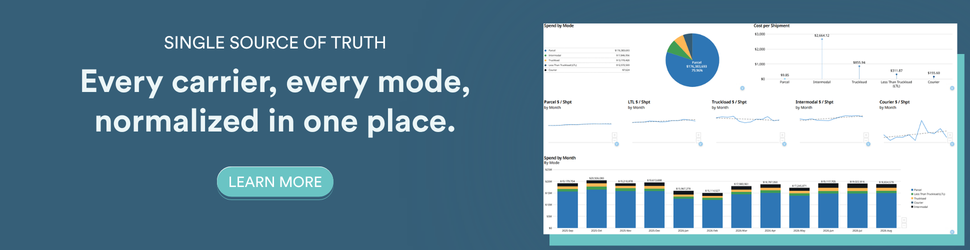
The fix: normalize disconnected carrier data into one dataset, so multi-carrier visibility replaces a stack of incompatible reports and every shipment routes on real comparative cost.
7. Audits Catch Problems Too Late
Most parcel auditing happens in the rearview mirror. Invoices get reviewed after payment, service failures surface long after delivery, and refunds get pursued only when someone finds the time. The research shows how passive this has become. 86% of shippers make decisions without insight into actual carrier conditions, so most exceptions are noticed well after they occur.
The cost of waiting is real money left on the table. The same research found that only 10% of shippers can automatically recover credits when carriers miss their own service guarantees, and three out of four fail to claim those credits before they expire. Every unclaimed refund is margin the carrier simply keeps.
The fix: shift from reactive to preventive auditing by monitoring shipments and contracts continuously so claims are filed before credits expire, not after the window has closed.
Cut Enterprise Parcel Costs With Reveel
The seven barriers share one root cause: carriers now move faster than the cycles most teams use to manage them. Closing the gap doesn’t require more tools. It requires using shipping data continuously, at the package level, to act before costs land, not after. Shippers who make that shift turn parcel spend from a moving target into a managed one. Reveel helps enterprise teams get there. Request a demo with our team here.
Frequently Asked Questions About Parcel Shipping Costs
What makes it hard to control parcel shipping expenses?
Carriers adjust base rates, surcharges, and service rules continuously through the year, while most organizations still review pricing on quarterly or annual cycles. Costs then hide in accessorials, fragmented multi-carrier data, contracts built on outdated shipment profiles, and expired service credits.
What causes hidden costs in enterprise parcel shipping software?
Many platforms lack the automation and carrier monitoring needed to catch cost changes as they happen. Without those capabilities, new surcharges, rate increases, and contract drift surface only after the invoice arrives, when it is too late to act.
Which companies are considered leaders in parcel shipping intelligence in the US?
The leading parcel shipping intelligence platform spans invoice audit, carrier data and analytics, contract compliance, and scenario modeling. Reveel’s Shipping Intelligence Platform is built around Omnicarrier Decision Intelligence and Freight Audit & Payment. Built within the platform is Reveel IQ, an AI shipping analyst that works from package-level data and models how costs change before a decision is made. For a side-by-side view of the main options, see our guide to the top parcel spend management software.