


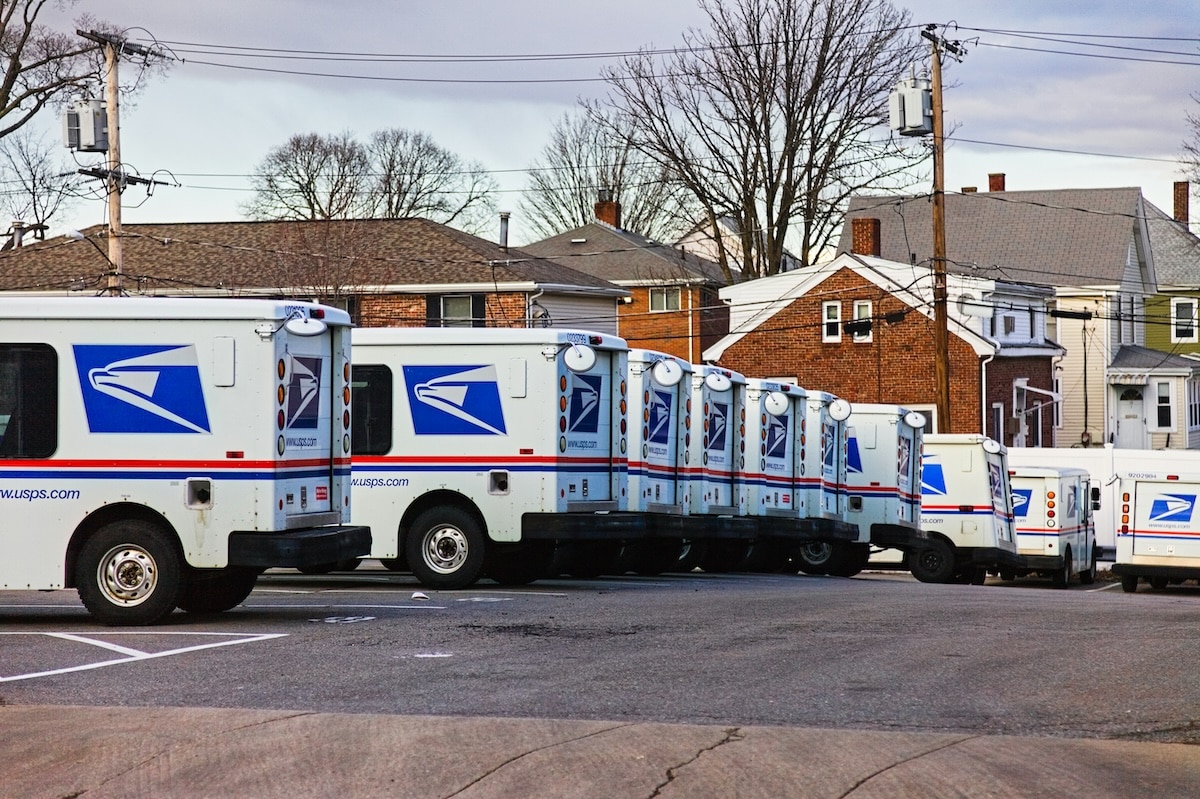
On April 26, the U.S. Postal Service’s first fuel surcharge went into effect – an 8% temporary fuel surcharge that initially is planned to remain in place until January 17, 2027. Announced in March, the surcharge – which is one of the ways the postal service hopes to improve its financial picture – on the surface reflects the impact of the conflict in Iran on the global oil market.
Fuel costs are understandably on everyone’s minds. But while there is no denying that the cost of both diesel and jet fuel has increased in real terms over the past two months, fuel surcharges were a favorite lever in carriers’ efforts to protect revenue long before the issues around the Straits of Hormuz thrust them into the headlines.
Why The USPS Fuel Surcharge Announcement Is Critical For Shippers
USPS has traditionally been one of the more predictable carriers when it comes to pricing. For shippers relying on Ground Advantage as a stable, low-cost option for lightweight parcels, this increase warrants immediate modeling, especially across high-volume lanes.
How Do Shipping Fuel Surcharges Work?
Although fuel surcharges often represent a small increase in shipping costs on paper, typically increments of .05% to 1.0%, their combined impact in recent years has been more than consequential and translated into significant cost increases for shippers. For this reason, it’s more important than ever that shippers understand how they work and several fundamental truths, among them:
- Carriers fuel surcharges are no longer proportional to actual fuel costs;
- Carriers are rolling out fuel surcharges with far greater frequency than ever before, with FedEx and UPS introducing them on a near quarterly basis in recent years – often with little or no warning; and
- Forward-looking price increases are being embedded in structural fuel surcharge updates.
Fuel Surcharges And The Conflict In Iran
Our own Quinn Nelson’s article “Fuel Surcharges and the Impact of the Conflict in Iran” in PARCEL Magazine explores these issues in detail and is a must-read for shippers who need to not only effectively address current fuel surcharges, but also anticipate their impact in the future. Check it out at ParcelIndustry.com.